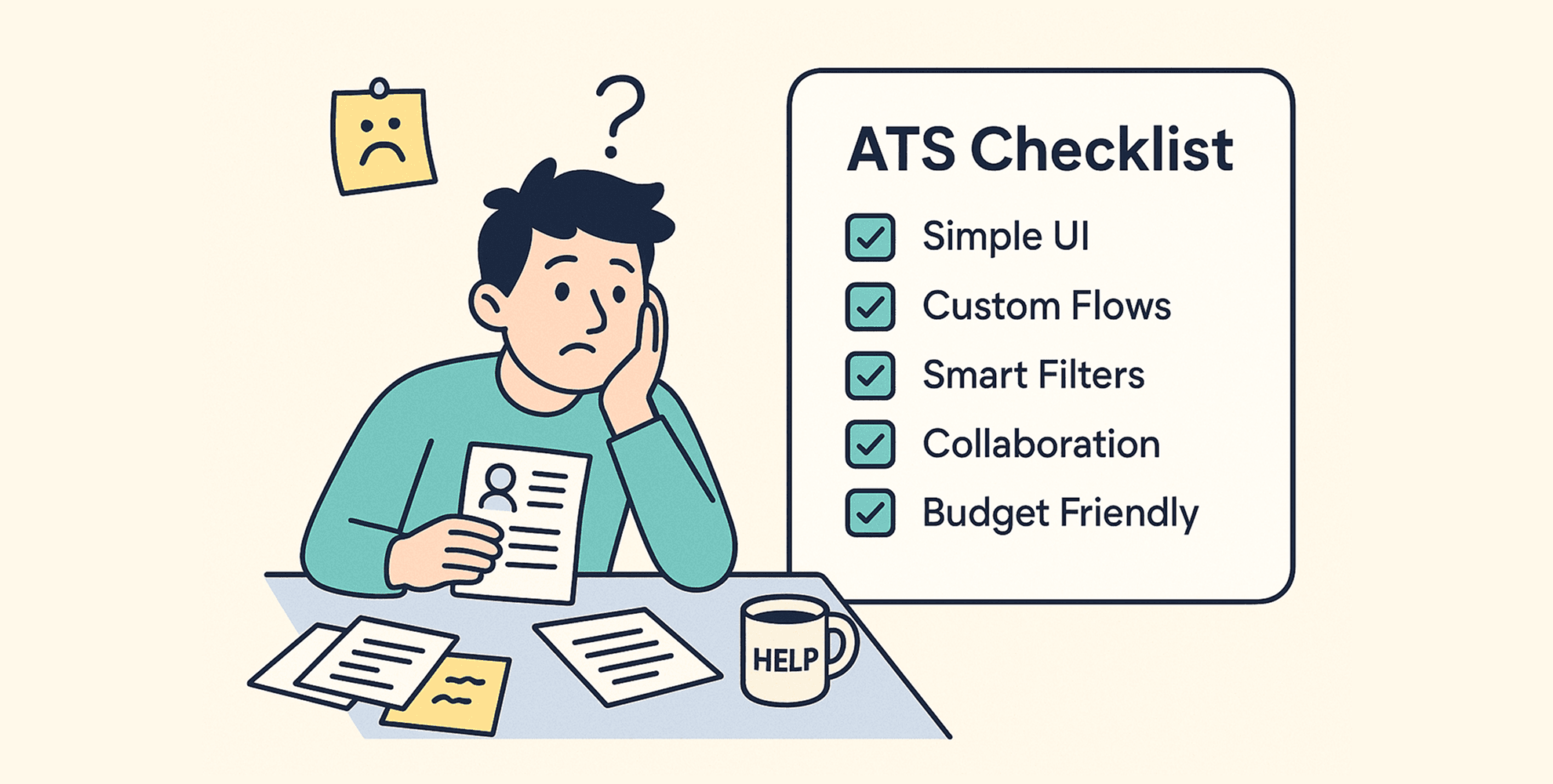
What Startups Should Look for in an ATS (And What to Avoid)
And if you stumble upon one that was literally built for startup-style hiring? Well, you might want to give it a shot 😉 (No pressure.)

Learn how manual recruitment methods like spreadsheets and inboxes put candidate data at risk. This blog highlights the security gaps and compliance issues HR teams face—and explains how an ATS provides safer, more reliable hiring workflows.
How spreadsheets and inbox-based hiring expose HR teams to unnecessary security and compliance threats.
In today’s hiring environment, HR teams—especially in startups and growing SMEs—handle more candidate information than ever before. Resumés, IDs, certificates, portfolios, reference details, compensation expectations, and even sensitive demographic data often pass through multiple channels during recruitment.
However, here’s the problem: many HR teams still rely on manual tools, such as Excel, Google Sheets, and inbox-based workflows, to track and store this information. What feels simple and convenient actually exposes your organisation to serious security dangers.
This blog explores why manual recruitment puts candidate data at risk, how it impacts HR data protection, and how adopting ATS secure hiring through HrClerks ATS can protect both your candidates and your business.
Manual hiring usually means data is scattered across:
Each of these creates potential data exposure points.
An Applicant Tracking System (ATS) centralises everything, minimising vulnerabilities while enforcing structured, secure workflows.
Spreadsheets were never designed to store sensitive personal information. Yet HR teams still use them to manage:
In terms of candidate data security, spreadsheets fail every basic requirement.
Email is fast and familiar, but highly insecure for candidate data.
This makes email a major data-leak source during recruitment.
Privacy regulations are becoming stricter globally. Using manual tools during recruitment puts HR at risk of violating:
A modern ATS supports HR data protection frameworks and helps maintain compliance effortlessly.
Human mistakes are the #1 cause of leaks in HR processes.
Examples include:
Automation reduces these risks dramatically and adds consistency to workflows.
Shared drives (Google Drive, OneDrive, Dropbox) seem organised, but they still introduce risks:
These tools were built for collaboration—not secure hiring pipelines.
Candidates today expect professional handling of their personal information.
Manual processes such as:
…create a poor impression and may reduce candidate trust.
Startups and SMEs are now primary targets for cyberattacks due to weaker infrastructure.
Hackers seek:
Securing recruitment systems is no longer optional—it’s essential.
A modern Applicant Tracking System like HrClerks ATS is designed for ATS secure hiring and protects candidate data in multiple ways.
All files and communications stay inside a secure system.
Control who can:
Including:
All interview notes, feedback, and messages stay within the ATS—not scattered across insecure emails.
Automation handles repetitive tasks and minimises mistakes.
Track every access, change, and download for accountability.
Candidates trust employers who handle their information responsibly.
HrClerks ATS helps startups and SMEs move away from risky manual workflows and embrace structured, secure hiring.
With HrClerks, your HR team gains a system designed for candidate data security and modern hiring efficiency.
🔗 Visit: https://www.hrclerks.com/
And if you stumble upon one that was literally built for startup-style hiring? Well, you might want to give it a shot 😉 (No pressure.)
Spreadsheets are great. Hiring in spreadsheets? Not so much. Your team—and your candidates—deserve better.
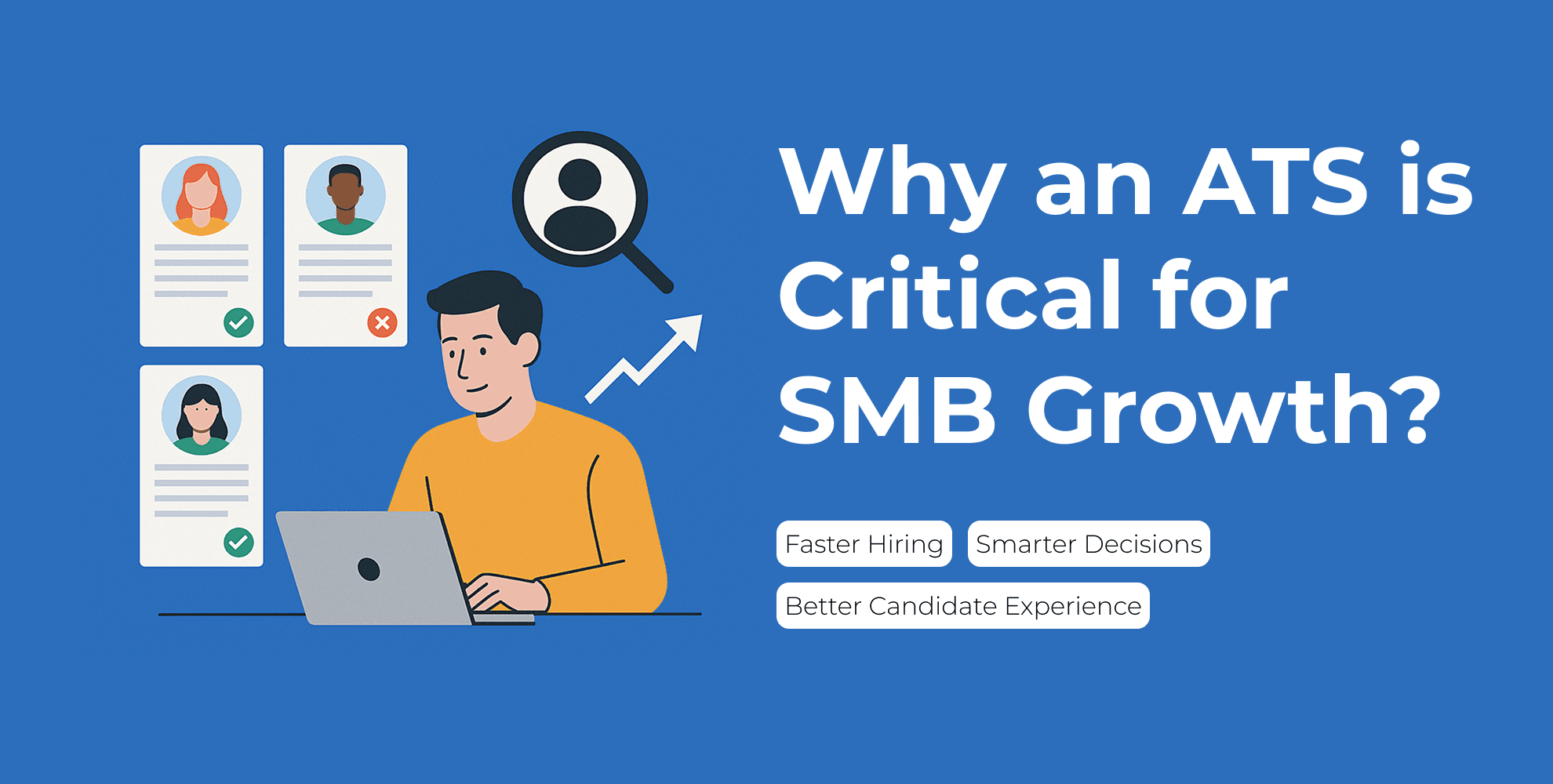
Let’s face it—hiring is already hard enough. But if you’re running a small or mid-sized business (SMB), it’s also dangerously easy to mess up. One wrong hire, one ghosted candidate, one unread email thread buried under a hundred Slack messages… and boom 💥 —you’ve lost weeks of productivity and maybe even your best shot at growth.